

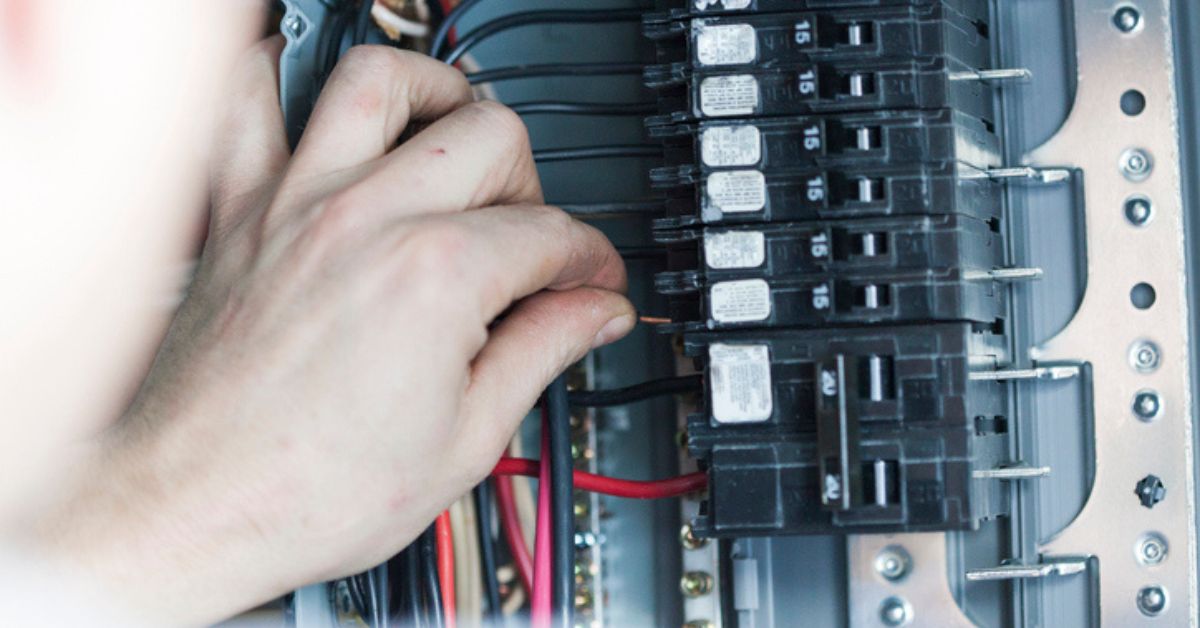
When it comes to keeping your home safe and efficient, few things are as important as understanding your electrical system. Circuit overloads are one of the most common (and potentially dangerous) issues homeowners face. They can cause flickering lights, tripped breakers, and even electrical fires if left unaddressed. By learning what causes overloads and how to prevent them, you can keep your home running smoothly and your family safe.
Common Causes of Circuit Overloads
Outdated or Inadequate Wiring
One of the leading causes of overloads is outdated or undersized wiring. Many older homes were built long before the average household relied on multiple high-powered appliances and electronics. When older wiring meets modern demand, the system can easily overheat.
Over time, wiring insulation can also deteriorate, leaving wires exposed and more susceptible to short circuits. This wear and tear increases the likelihood of overloads and, worse, electrical fires.
Signs your wiring may need attention include:
- Frequent tripping breakers
- Dimming lights when large appliances turn on
- Discolored or warm outlets and switches
If your home still uses outdated wiring or hasn’t had an electrical inspection in years, it may be time for an upgrade.
Too Many Devices on One Circuit
Every circuit in your home is designed to handle a limited amount of current. Plugging too many devices or high-demand appliances into a single circuit can easily push it past capacity.
Common culprits include:
- Space heaters
- Hair dryers
- Microwaves and toasters
- Portable air conditioners
- Washers and dryers
It’s a good idea to spread your electrical use across multiple circuits whenever possible. For areas like kitchens, laundry rooms, and home offices, a licensed electrician can install dedicated circuits to safely handle high loads.
Faulty or Aging Electrical Components
Worn-out outlets, switches, or breakers can quietly create unsafe conditions that lead to overloads. For example, a faulty breaker might fail to trip when it should, allowing excessive current to flow unchecked. Similarly, damaged outlets or corroded connections can increase resistance and heat buildup.
Short circuits are another concern, often caused by damaged wires or broken components. These sudden surges in current can damage your electrical system and pose a serious fire hazard. Regular inspections and timely replacement of aging components can help prevent these issues before they become dangerous.
Recognizing Signs of a Circuit Overload
Physical Warning Signs
Circuit overloads often leave visible or physical clues around your home. Keep an eye out for:
- Scorch marks or discoloration around outlets
- Burning smells near switches or wiring
- Outlets or cords that feel unusually hot
These are all indicators of overheating and should be addressed immediately by a qualified electrician.
Performance-Related Symptoms
Sometimes, the signs of an overload are more subtle. You might notice:
- Flickering or dimming lights
- Breakers tripping frequently
- Appliances that run inconsistently or shut off unexpectedly
These symptoms often point to circuits being stretched beyond their limits.
Preventing Circuit Overloads
Practice Smart Load Management
Preventing overloads starts with understanding your home’s electrical capacity. Try to balance usage across different circuits instead of clustering devices in one area.
Other simple tips include:
- Unplug devices when not in use to reduce “phantom loads.”
- Avoid using multiple high-demand appliances on the same circuit at once.
- Consider upgrading to energy-efficient devices that require less power.
These small changes can go a long way toward protecting your electrical system.
Upgrade and Maintain Your Electrical System
As your home’s electrical needs evolve, so should its wiring and panels. If your circuit breaker panel is more than a couple of decades old, it might not be equipped to handle today’s electrical demands.
Upgrading your panel or adding new circuits can improve safety and reliability while accommodating modern appliances and technologies like EV chargers or home offices. Scheduling regular inspections ensures small issues are caught before they escalate.
Install Circuit Protection Devices
Circuit protection devices are the front line of defense against overloads. Breakers, fuses, and surge protectors all play a role in shutting down dangerous electrical flow before it can cause harm.
A licensed electrician can help determine which devices best fit your home’s needs, ensuring every circuit is protected.
What to Do if You Suspect an Overload
If you think a circuit is overloaded:
- Turn off or unplug unnecessary devices.
- Reset the breaker to restore power.
- Observe whether the issue repeats.
- If it does, contact an electrician to evaluate your system.
Never ignore persistent overloads—they can indicate deeper problems that require professional attention.
The Real Dangers of Ignoring Overloads
Neglecting electrical overloads can have serious consequences:
- Fire hazards: Overheated wires are a leading cause of residential fires.
- Equipment damage: Appliances and electronics can suffer costly damage from inconsistent voltage.
- Personal injury: Exposed wires or overheated components increase the risk of shock and burns.
Being proactive about maintenance and inspections can prevent these hazards and keep your home safe.
Keep Your Home Protected with Malfettone Electric
Electrical overloads can happen in any home, but with the right care and expertise, they’re completely preventable. Our licensed professionals at Malfettone Electric provide comprehensive panel and circuit inspections, system upgrades, and load management solutions to ensure your electrical system runs safely and efficiently.
Reach out online or call Malfettone Electric to schedule an appointment and take the next step toward a safer, more reliable home.