

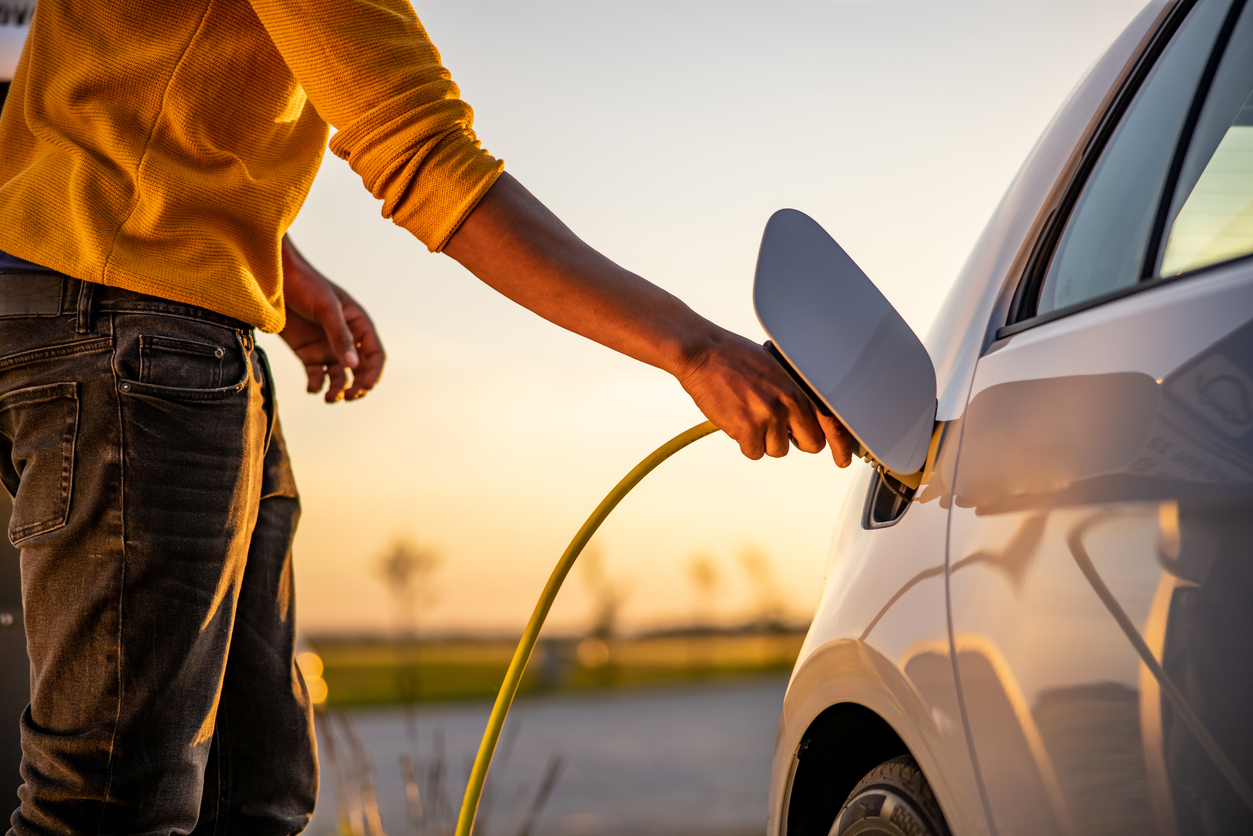
Buying an electric vehicle is an exciting step toward a cleaner, more modern way of getting around North Jersey. However, many homeowners in Jersey City and Hoboken quickly realize that plugging a car into a standard wall outlet is a bit like trying to fill a swimming pool with a garden hose. To get the most out of your new ride, your home needs to be prepared for the extra power demand. Before you bring that new Tesla or EV home, there are a few critical steps to ensure your property can handle the load safely and efficiently.
Check Your Electrical Panel Capacity
The first and most important step is looking at your main electrical panel. Most older homes in Hudson County were built long before high-powered appliances and electric cars were common. Your panel is the "brain" of your home’s power, and it has a limit on how much electricity it can distribute at once. If your panel is rated for 100 amps or less, adding an EV charger might push it past its safe limit.
Many modern EV chargers require a dedicated 40 to 60-amp circuit to provide a fast charge. To see if you are ready, look for these specific details on your current setup:
- The main breaker strength, which is usually a large switch at the top of the panel labeled with a number like 100, 150, or 200.
- Available physical space in the panel for a new "double-pole" breaker, which takes up two slots.
- The age of the equipment, as panels over 25 years old may struggle with the heat generated by hours of continuous charging.
If your panel is already full or at its limit, you may need to consider an electrical panel upgrade. Moving to a 200-amp service is a common solution that provides enough breathing room for your car, your air conditioning, and your kitchen appliances to run at the same time without tripping breakers.
Evaluate Your Garage or Driveway Wiring
Once you know your panel can handle the power, you have to think about how that power gets to your car. Most people start with Level 1 charging, which uses a standard three-prong outlet, but it adds only about 3 to 5 miles of range per hour of charging. For a real overnight full charge, you will want a Level 2 charger, which requires heavy-duty wiring similar to what a clothes dryer or an electric oven uses.
The location of your parking spot determines how difficult the installation will be. If your electrical panel is in the basement and your driveway is on the opposite side of the house, new wires will need to be safely routed through your walls or even underground.
Consider these factors when planning the path for your new wiring:
- The distance between your electrical panel and your preferred charging spot.
- Whether the wiring needs to be installed inside a protective pipe (conduit) along the exterior of your home.
- The specific side of your car where the charging port is located, as cables are usually only 18 to 25 feet long.
Professional wiring and rewiring services ensure that the cables used are thick enough to carry the heavy electrical load for hours at a time without overheating. Using the wrong wire size is a major fire hazard, so this is a step that requires precision and expert knowledge.
Understand the Permit and Inspection Process
In North Jersey, installing a high-voltage appliance, such as an EV charger, isn't just a plug-and-play weekend project. Local towns like Montclair or Bayonne require electrical permits for this type of work. These permits are there to protect you; they ensure that a city inspector reviews the work to confirm it meets the National Electrical Code. This is especially important for your homeowner’s insurance, which may require proof that professional electrical installation was performed.
Navigating the local building department can be confusing for new buyers. Here is what the process generally looks like in our area:
- Filing the initial application with your local construction office.
- Providing a load calculation to prove your home can handle the charger.
- Scheduling a final inspection once the charger is mounted and powered up.
Handling the paperwork correctly the first time prevents delays and ensures that your equipment is covered under warranty. It also gives you peace of mind knowing that your home’s safety hasn't been compromised for the sake of a quick install.
Choose the Right Charging Station for Your Needs
Not all EV chargers are created equal. Some are "dumb" chargers that simply pass electricity to the car, while others are "smart" chargers that connect to your Wi-Fi. Smart chargers allow you to track how much money you are spending on electricity and can even be programmed to charge only when utility rates are at their lowest.
You also need to decide between a "plug-in" charger and a "hardwired" charger. A plug-in unit uses a high-powered 240V outlet (often called a NEMA 14-50), while a hardwired unit is connected directly into your home's electrical system.
When choosing your hardware, think about these benefits of different setups:
- Hardwired chargers are often more weather-resistant for outdoor installations.
- Plug-in chargers allow you to take the unit with you if you move to a new home.
- Specific brands, like Tesla, use unique connectors that may require an adapter if you later buy a different brand of car.
Specialized EV charger installation helps you match the equipment to your specific vehicle and driving habits. If you have a short commute, you might not need the fastest charger available, which could save you money on your initial setup.
Look Beyond the Charger: Future-Proofing Your Home
Getting EV-ready is a great time to look at the big picture of your home's health. While an electrician is looking at your panel and wiring, it is wise to address other small issues that could become big problems later. Adding an electric car is a significant change to your home’s energy profile, so making sure the rest of your system is efficient will help keep your monthly bills manageable.
For example, many homeowners find that this is the perfect time to upgrade to LED recessed lighting or improve their outdoor lighting for better visibility at the charging port. Small upgrades now can prevent the need for future service calls.
Consider these complementary upgrades during your EV transition:
- Whole-home surge protection to shield your expensive car and electronics from North Jersey power spikes.
- Upgrading old outlets & switches that might be loose or worn out.
- Installing smart home features that let you monitor your energy use from your phone.
Focusing on a complete electrical repairs checkup ensures that your home remains a safe haven for your family and your new investment.
Powering Your Future in Hudson County
Transitioning to an electric vehicle is a smart move for your wallet and the environment, but it starts with a solid foundation. From checking your panel capacity to ensuring your wiring is up to code, taking the time to do it right saves you from headaches down the road. You want to wake up every morning knowing your car is fully charged and your home is running safely.
At Malfettone Electric, we have been helping North Jersey families navigate changing technology since 1977. We understand the specific challenges of local homes and provide modern energy solutions with the "clean in, clean out" service we are known for. Whether you need a quick virtual estimate or a full panel upgrade, we are here to help you get road-ready.
Don't leave your home's safety to chance. Schedule your Free Virtual Consultation today to get an expert look at your EV setup! Book a schedule online or call us at (201) 808-3003.